Hermona: A Vintage Display Font for Digital Creativity
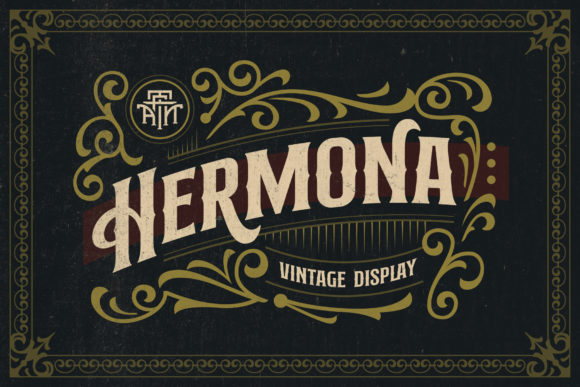
Hermona is a vintage-inspired display font that brings a nostalgic, retro feel to digital projects. With its roots in old-school caps and labels, it offers a unique blend of class and character that stands out in modern web design. As a designer, I’ve found that fonts like Hermona can be powerful tools for shaping brand identity and visual storytelling.
Visual Characteristics and Personality
Hermona has a distinct visual style that combines the elegance of classic typography with a touch of experimental flair. The letterforms are clean yet textured, making them ideal for creating a sense of authenticity and heritage. Its personality leans toward the artistic and creative, which makes it well-suited for brands that want to convey a timeless, handcrafted vibe.
The font’s structure includes subtle serifs and slightly uneven strokes, giving it a hand-drawn quality that feels organic rather than overly polished. This characteristic adds warmth and approachability, which can be especially effective in branding for creative industries such as art, design, or artisanal products.
Using Hermona in Web Design
When working on websites, landing pages, or online stores, the right font can significantly impact user engagement and brand perception. Hermona excels in situations where you need a strong visual anchor without sacrificing readability. It works particularly well for hero sections, headers, and call-to-action areas where a bold statement is needed.
For example, using Hermona as the main title on a creative portfolio site can immediately set the tone for the designer’s aesthetic. On an online store, it can add a premium feel to product banners or promotional headlines. The font also pairs well with minimalist layouts, allowing it to stand out while maintaining a balance between form and function.
Best Use Cases for Hermona
- Hero Titles: Hermona’s bold and expressive nature makes it perfect for large headings on landing pages or home screens.
- Section Headings: When used for subheadings, it adds visual interest without overwhelming the content.
- Call-to-Action Buttons: Short phrases like “Shop Now” or “Learn More” benefit from Hermona’s dynamic shape and character.
- Logo Text: If your brand has a vintage or artisanal feel, Hermona can serve as a strong foundation for logo design.
- Decorative Accents: Used sparingly, it can enhance graphics, social media posts, or branded illustrations without distracting from the message.
Readability and Responsiveness
While Hermona is a display font, it’s important to consider its performance across different screen sizes. For mobile devices, ensure that the text remains legible by adjusting font size and line spacing. Avoid using Hermona for long paragraphs or body copy, as its decorative nature may reduce readability in extended text blocks.
In responsive layouts, pair Hermona with a complementary sans serif or serif font for body text. This combination maintains a professional look while ensuring that users can easily scan through content. Testing the font on dark and light backgrounds is also recommended to ensure optimal contrast and visibility.
Font Pairing and Brand Identity
Hermona’s versatility shines when paired with other fonts that complement its style. A common approach is to use a simple sans serif font like Helvetica or Arial for body text, allowing Hermona to take center stage in headlines and titles. For more editorial or sophisticated designs, pairing it with a serif font like Georgia or Times New Roman can create a balanced and elegant layout.
When building a brand identity, consistency is key. Hermona can help establish a cohesive visual language across all digital assets—website headers, email newsletters, social media graphics, and even packaging design. Its retro charm aligns well with brands that aim to evoke nostalgia or emphasize craftsmanship.
Commercial Licensing and Practical Considerations
If you plan to use Hermona for client projects, online stores, or digital templates, make sure to review the commercial licensing terms. Many display fonts require specific licenses for web use, so it’s essential to confirm that the font is suitable for your intended application. Some font providers offer webfont packages that include all necessary formats for cross-browser compatibility.
Check whether the font supports multiple languages and includes alternate characters or weights. These features can expand its usability for global audiences or allow for more nuanced typographic expression in your designs.
As a designer, I recommend testing Hermona in real-world scenarios before committing to it for a project. Whether it’s for a boutique shop, a coaching website, or a course sales page, this font can elevate the visual appeal of your work while reinforcing your brand’s unique voice.