Mulya: A Display Font for Thoughtful Editorial Design
There’s a quiet moment in the editorial process when you know a design is coming together—when the right font finds its place. Recently, while redesigning the header of a lifestyle blog, I stumbled upon Mulya, a display font that felt like a natural fit. Its elegance and subtle rhythm brought a calm sophistication to the layout, making it feel both intentional and inviting.
A Font with Character and Rhythm
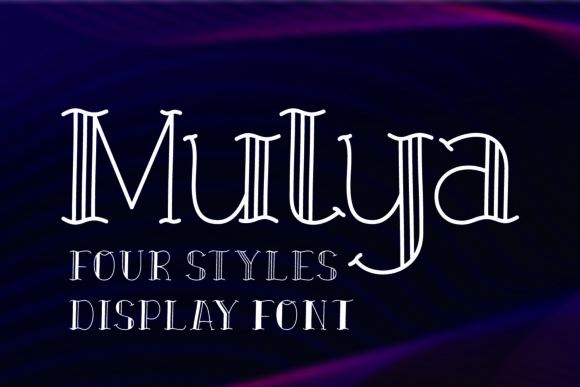
Mulya is an elegant styled display font, crafted with a balance of grace and structure. It carries a soft, refined energy that feels just right for editorial work where visual appeal meets readability. The character forms are well-proportioned, with a gentle curve in the serifs that gives it a handcrafted warmth without sacrificing clarity.
What stands out about Mulya is its ability to create a visual rhythm that supports content flow. Whether used for a magazine cover or a chapter opener, it adds a sense of continuity that guides the reader through the material with ease. This makes it particularly suitable for projects that require a touch of personality without overwhelming the reader.
Practical Uses in Real Publishing Projects
In a recent project, I tested Mulya on a recipe ebook. For the title pages and section headers, it added a polished, approachable tone that matched the book's theme. The font worked especially well in pull quotes, where it helped highlight key phrases without drawing too much attention away from the content itself.
Another instance was when designing a coaching workbook. Mulya became the go-to font for chapter titles and activity headings. It gave the layout a consistent identity while maintaining a warm and encouraging mood that aligned with the workbook’s purpose.
For newsletter graphics, Mulya proved to be a versatile choice. Used sparingly in headlines and callout boxes, it elevated the overall aesthetic without overpowering the text. It also performed well in digital magazines, where it supported the publication’s brand identity by creating a cohesive visual language across different sections.
Readability and Editorial Considerations
While Mulya excels as a display font, it’s important to consider its use in different formats. On screen, its legibility holds up well in most sizes, though it may not be ideal for small captions or dense paragraphs. In print, it maintains a clean appearance, especially when paired with a complementary serif or sans-serif font for body copy.
When using Mulya in long-form content, it’s best reserved for headings, pull quotes, and decorative accents. It shines in short bursts of text, where its expressive nature can enhance the reader’s experience without causing fatigue.
For those looking to pair Mulya with other fonts, a classic serif like Georgia or a modern sans-serif like Helvetica Neue can provide a balanced contrast. This combination ensures that the editorial layout remains readable while still feeling visually engaging.
Choosing the Right Style for Your Project
Mulya comes with a range of styles, weights, and alternates that allow for creative flexibility. Before using it in commercial projects, it’s essential to check the licensing terms, especially if the font will be included in ebooks, templates, or downloadable content. Understanding the available file formats and multilingual support is also crucial for ensuring compatibility across different platforms.
Its suitability for branding and editorial design is clear. From wedding guides to printable planners, Mulya offers a consistent visual tone that aligns with a variety of content types. However, it’s less suited for formal reports or documents requiring a strict, no-frills typographic style.
In the end, Mulya is more than just a display font—it’s a thoughtful addition to any editorial toolkit. Its ability to enhance readability, support visual hierarchy, and reflect a publication’s identity makes it a valuable asset for bloggers, publishers, and designers alike. When used with care, it can transform a simple layout into something memorable and meaningful.