Small Bunny: A Font That Adds Charm to Every Craft Project
There’s something magical about the first time a font really clicks with your design. For me, it happened when I was working on a set of candle labels for a small batch of lavender soy candles. I needed something that felt cozy yet modern, something that would make the label stand out on the shelf but still feel approachable. That’s when I discovered Small Bunny.
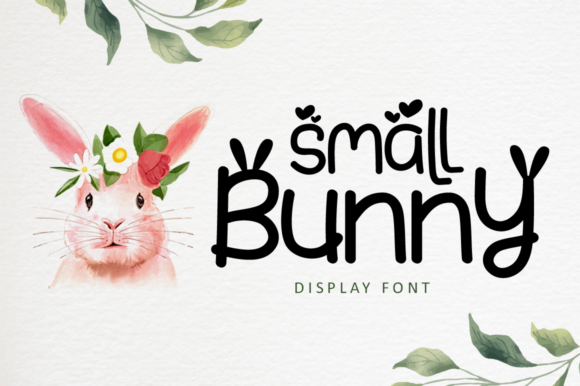
This display font has a playful yet refined look that feels just right for handmade products. It’s not too bold, not too delicate—it strikes a perfect balance between whimsy and elegance. The rounded edges and soft curves give it a friendly, approachable vibe, while the clean lines keep it from feeling too childish. It’s the kind of font that makes you want to use it on everything.
Crafting with Small Bunny: From Labels to Invitations
I’ve used Small Bunny in a variety of projects, and each time it brings a new kind of charm. On my candle labels, it adds a touch of personality without overpowering the product. I paired it with a simple sans serif font for the brand name, creating a nice contrast that keeps the design balanced.
For birthday invitations, I love how Small Bunny can be both decorative and readable. I used it for the main title, letting the playful style shine through, while keeping the body text in a more traditional serif font for clarity. It’s a great way to add visual interest without sacrificing legibility.
One of my favorite uses so far has been on farmhouse-style signs. Whether it’s a “Welcome” sign for a boutique or a seasonal tag for a holiday market, Small Bunny gives a warm, inviting feel that fits perfectly into rustic or cozy settings. It’s also great for digital templates, where it can be scaled up or down without losing its charm.
Designing with Purpose: Branding and Consistency
When designing for a shop, consistency is key. Small Bunny has become a staple in my branding toolkit because it works well across different mediums. I use it for product tags, packaging designs, and even social media graphics. Its consistent style helps build brand recognition, making it easier for customers to remember and connect with my work.
It’s also important to consider how the font looks in different sizes and formats. I’ve tested it on small stickers and large wall art, and it holds up beautifully. When using Small Bunny for printables, I always make sure to check the file formats and licensing to ensure it meets my needs, especially if I’m selling digital downloads or SVG-style designs.
Pairing Small Bunny with other fonts can elevate the overall design. For instance, I often pair it with a clean sans serif font like Montserrat or a simple serif font like Playfair Display. This creates a nice balance that keeps the design modern and professional while maintaining the charm of Small Bunny.
Real-World Applications: Beyond the Label
From tote bags to mugs, Small Bunny has found a home in all sorts of creative projects. I once designed a set of printable wall art featuring the font in a minimalist layout, which became a popular item in my shop. It’s also worked well on planner pages, where it adds a touch of personality to daily notes and reminders.
For seasonal products, Small Bunny is a go-to choice. Whether it’s holiday tags, summer banners, or winter welcome signs, its versatility makes it ideal for changing themes. It’s also great for boutique packaging, where a little extra detail can make a big difference in customer perception.
One thing I’ve learned is that Small Bunny works best for short phrases, names, and titles. It’s not meant for long blocks of text, but that’s where its charm really shines. Using it for headings, logos, or decorative elements ensures it doesn’t get lost in the design.
Readability and Practical Tips
When working with Small Bunny, readability is essential, especially for small stickers or product labels. I recommend testing it at different sizes to ensure it remains clear and legible. If you’re using it for cut files or SVGs, make sure to check the included styles and alternates to see what options are available.
Also, don’t forget to consider multilingual support if you plan to use the font internationally. While Small Bunny may have limited support for certain languages, checking the font details before production can save you from potential issues.
Finally, always verify the commercial font licensing before selling any physical products, templates, or digital downloads. Knowing the terms of use helps avoid any surprises down the line.
Using Small Bunny has transformed the way I approach design. It’s not just a font—it’s a tool that brings creativity to life. Whether you’re crafting labels, designing invitations, or building your brand, this display font has the power to make your products stand out in a crowded market.